
View Barnstable eNews HERE
View the new Barnstable eNews Website HERE


Board of Water Commissioners
Wednesday April 27, 2022, 5:30pm, Remote
View Agenda HERE
Zoom: Meeting ID: 346 207 1880
Join the Cotuit-Santuit Civic Association
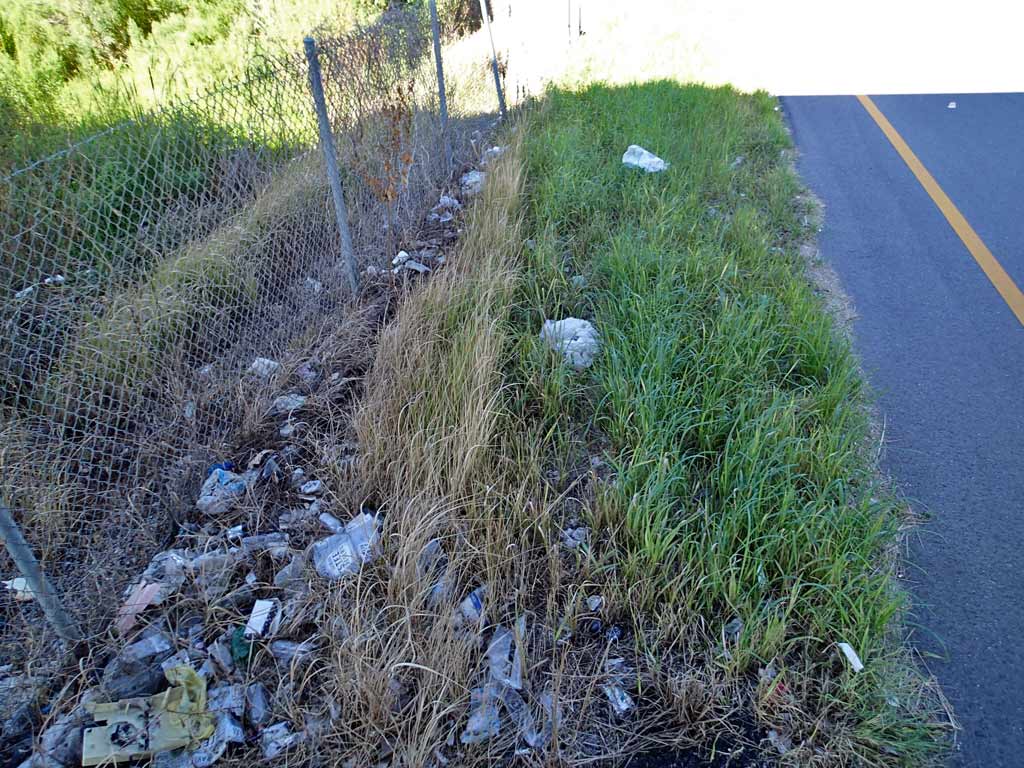
Help Clean-Up the Village
Meet at Lowell Park SATURDAY MAY 14, 2022, 10am for instructions and street assignments
Safety Vests, Gloves,Trash Bags & Pick-Up Tools Provided
(Rain date May 21)
If you would like to participate, please e-mail cotuitcivicassociation@gmail.com. Having advance indications of participants helps to organize the pick-up areas efficiently. Details of the effort to all volunteers will be e-mailed prior to May 14. Thank you for taking pride in your community!
BARNSTABLE HISTORICAL COMMISSION IS ACCEPTING NOMINATIONS FOR PRESERVATIONS AWARDS
The Barnstable Historical Commission is accepting nominations for the Town of Barnstable’s 2022 Preservation Project Award AND 2022 Preservation Service Award
Have you admired the restoration, rehabilitation or reconstruction of a historic structure, building, property or landscape in the Town of Barnstable?
Do you know an individual who is committed to historic preservation and the rich history of the Town of Barnstable?
Help us honor those who have enriched and preserved the history of the Town of Barnstable.
For nomination forms, contact Grayce Rogers at
Grayce.Rogers@town.barnstable.ma.us or call 508-862-4787
View HERE for details.
Deadline for submissions: May 31, 2022
Recipients will be announced in June.

Cotuit Fire District Prudential Committee
Monday April 25, 6pm, Remote
View Agenda HERE
Link: Join Zoom Meeting
https://us02web.zoom.us/j/3462071880
Meeting ID: 346 207 1880 or phone 646 558 8656

Fire Commission Meeting
Thursday April 21, 2022 5:30pm, Remote
View Agenda HERE
Link: Join Zoom Meeting
https://us02web.zoom.us/j/3462071880
Meeting ID: 346 207 1880
Or Dial+1 646 558 8656
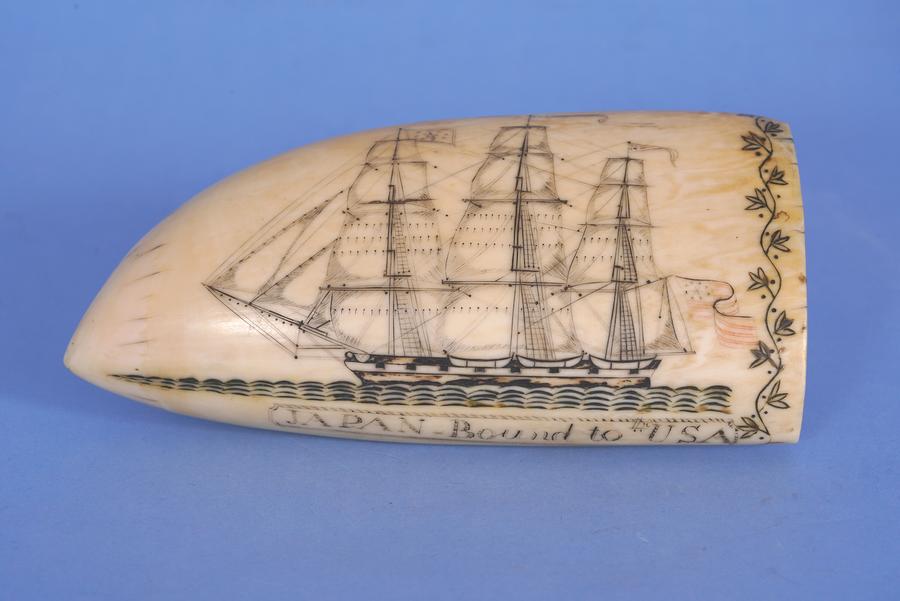
(Cotuit, Massachusetts) This summer, the Cahoon Museum of American Art will present Scrimshaw: The Whaler’s Art, a comprehensive survey of the art and history of scrimshaw. On view June 29 through October 30, 2022, the exhibition explores this unique, American folk art tradition created by whalers during the international whaling trade of the 19th century.
“Having studied, collected, and sold scrimshaw for more than 40 years, I was thrilled to guest curate this exhibition to create an extensive display of some of the finest (and oldest) examples of scrimshaw art,” said Guest Curator, Dr. Alan Granby, one of the world’s leading experts in the identification, evaluation, and appraisal of scrimshaw. “I hope that visitors will understand the significance that scrimshaw holds as not merely an interesting form of American folk art, but as the stand-alone art genre it truly is.”
Scrimshaw was once considered a quaint form of exotica, perhaps a sperm whale tooth upon which a 19th-century whaleman curiously engraved a decorative picture. But what once adorned a shelf or mantel resides today in museums and highly valued collections. The ‘oddity’ is now realized as art for its aesthetic qualities and also for the multilayered histories and the variety of stories and perspectives the objects share.
Scrimshaw: The Whaler’s Art evokes connections to historic life on Cape Cod, Nantucket, and New Bedford, Massachusetts, and demonstrates the ways that people from diverse backgrounds expressed artistic creativity. New perspectives on the whaler’s life include the astonishing stories of local Wampanoag whalers and women whalers including the legend of a female pirate. The exhibition also carries an important environment message as it delves into the changing views of whales over time.

Brought to life through the stories of the makers and recipients of these intricately detailed keepsakes, Scrimshaw: The Whaler’s Art features more than 250 decorative and utilitarian objects including chisels, boxes, baskets, walking sticks, and implements for the kitchen such as pie crimpers and utensils, items for sewing including needlecases and yarn swifts as well as pictorial scenes of whales and whaling, portraits, and naval and patriotic images.
Exceptional rare examples of scrimshaw from significant private collections and museums will be highlighted including the earliest known example of an American scrimshaw whale tooth engraved by the Nantucket scrimshander, Edward Burdett (1805-1833). On view publicly for the first time, this whale’s tooth was engraved on board the ship Japan off Nantucket Island during a voyage between 1825-1829. The exhibition will also feature the earliest signed and dated scrimshaw, created by Fredrick Myrick aboard the whaling ship Susan off Nantucket. A rare scrimshawed whale’s tooth decorated by James Adolphus Bute aboard the H.M Sloop Beagle features scenes from Charles Darwin’s 1834 voyage.
Scrimshaw is the indigenous occupational shipboard pastime of whalemen in the 19th- and early 20th-century Age of Sail, using the hard byproducts of whaling — sperm whale ivory, walrus ivory, skeletal bone, and baleen, often in combination with other “found” materials — to produce practical, utilitarian, decorative, and ornamental objects for themselves and as gifts for folks back home. Life onboard whaling ships consisted of long periods of boredom and whalers passed the time by carving scrimshaw. Sailors and whalemen who had no formal artistic training created objects of immense detail and beauty within the dirty, dangerous, and uncomfortable conditions of a whale ship.
The whaling industry of the 19th century was spurred by the global demand for whale oil, which became increasingly necessary during the industrial revolution. Whales were hunted for oil, meat, and blubber; however, no whales were killed for their bones, teeth, or baleen. These byproducts were readily available to ordinary seamen to use as material for creating tools and decorative objects because they had no monetary value and would have otherwise been thrown into the sea.
This exhibition presents only authentic objects that are over 100 years old, which serve as examples of this culturally significant art form. The Cahoon Museum shares in the passionate desire to preserve and protect endangered species. Scrimshaw was not a threat to whales, as whales were not hunted for their ivory.
“Scrimshaw is uniquely relevant to the Cahoon Museum’s devotion to American art, as we are located on Cape Cod, the home of scrimshaw in southeastern New England,” said Dr. Sarah Johnson, Executive Director of the Cahoon Museum of American Art. “Our collection includes a number of 20th-century paintings that celebrate the art of scrimshaw, including Ship and Scrimshaw, painted in 1960 by noted Cape Cod artist Ralph Cahoon, who, with his artist wife Martha Cahoon, maintained their art studios and gallery in the Museum’s historic building. Cahoon’s work often incorporated trompe l’oeil scrimshaw items such as whalebone, busks, ditty boxes, log books, and referred to historic whale ships. The connection between this exhibition and the Cahoons is serendipitous.”
Scrimshaw: The Whaler’s Art includes scrimshaw from 15 private New England collections and the following museums: The Dietrich American Foundation, Philadelphia, Pennsylvania; Heritage Museums and Gardens, Sandwich, Massachusetts; The Mariners’ Museum and Park, Newport News, Virginia; Mystic Seaport Museum, Mystic, Connecticut; Nantucket Historical Association, Nantucket, Massachusetts; New Bedford Whaling Museum, New Bedford, Massachusetts; and Peabody Essex Museum, Salem, Massachusetts.
Scrimshaw: The Whaler’s Art is organized by the Cahoon Museum of American Art with Guest Curator, Dr. Alan Granby and Dr. Sarah Johnson, Executive Director of the Cahoon Museum of American Art. A companion catalog, Wandering Whalemen and Their Art: A Collection of Scrimshaw Masterpieces accompanies the exhibition. Authored by Dr. Alan Granby, with a forward by Dr. Stuart M. Frank, the world-renowned scrimshaw expert. This 376-page book is available at cahoonmuseum.org/visit/museum-shop/



You must be logged in to post a comment.